Parliament seeks Controller of Budget control of Sh63 billion Housing Levy to curb misuse

A parliamentary committee wants the Controller of Budget to oversee the Sh63bn Housing Levy, citing legal loopholes, weak sanctions and unauthorised accounts that risk mismanagement of Kenya’s affordable housing funds.
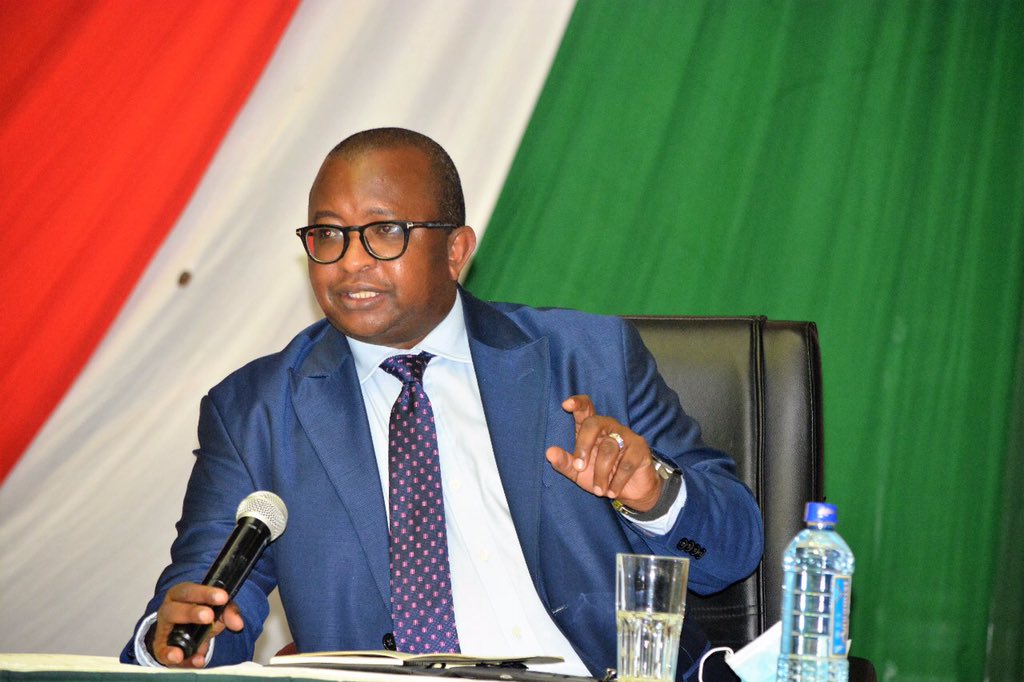
A Parliamentary Committee now wants the Controller of Budget (CoB) to gain full authority in monitoring the Sh63 billion Housing Levy, citing concerns over potential misuse of the funds meant for affordable housing.
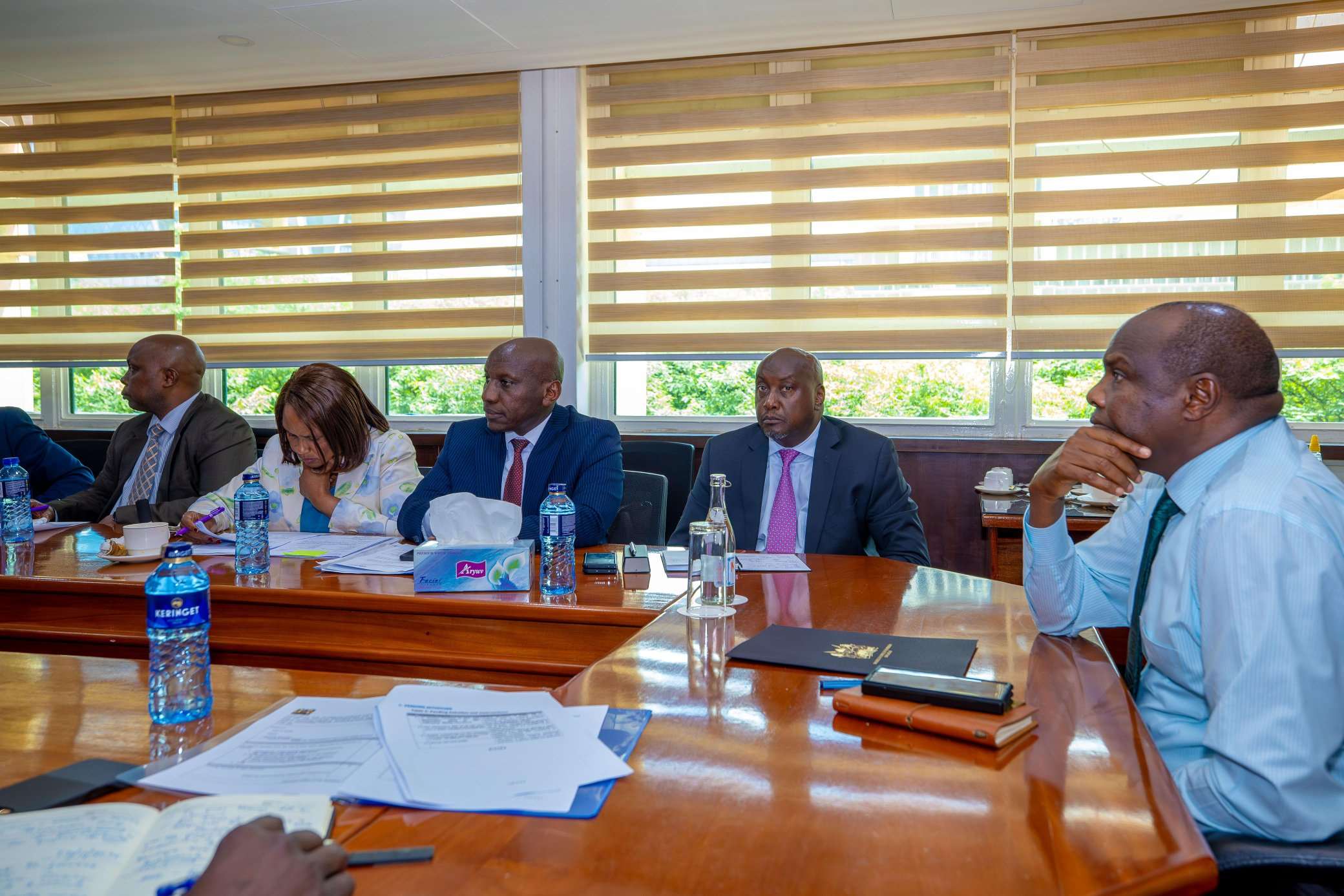
The legislators sitting in the Constitution Implementation Oversight Committee (CIOC) argue that without stronger supervision, the ambitious Affordable Housing Programme risks delays and inefficiencies despite the substantial funds collected.
More To Read
- Law Society of Kenya demands immediate halt to Makongeni demolitions over lack of compensation
- Only 54 of 540 acres properly titled for affordable housing, governors warn
- Controller of Budget urges faster adoption of e-GPS for public projects
- Revenue gaps, budget misalignments hurting service delivery, warns Auditor General
- SUPKEM refutes claims linking Huruma mosque to affordable housing project
- Ruto unveils Sh4 trillion development plan to propel Kenya to first-world status
The MPs are advocating for legal reforms to allow the CoB to independently oversee the levy, which is collected annually from Kenyans to fund affordable housing units. The committee’s report highlights that the current legal framework prevents the CoB from supervising the fund, raising the risk of mismanagement.
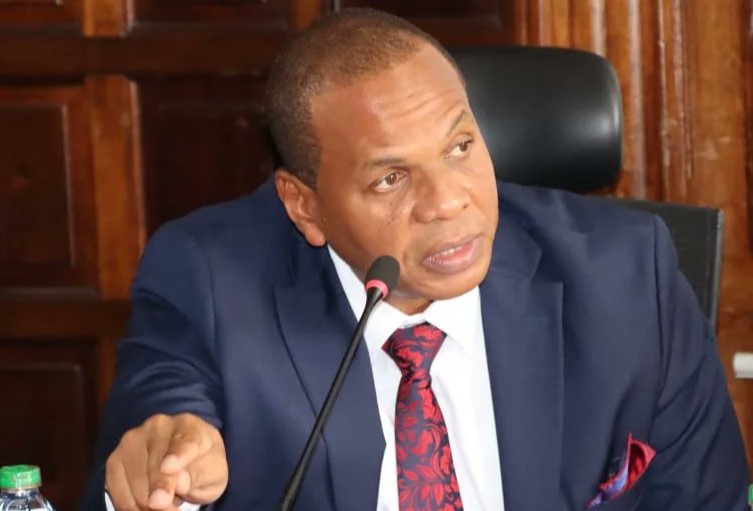
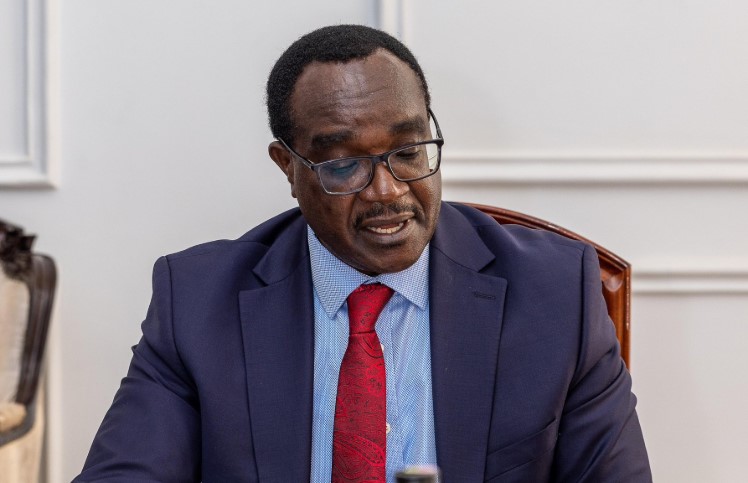
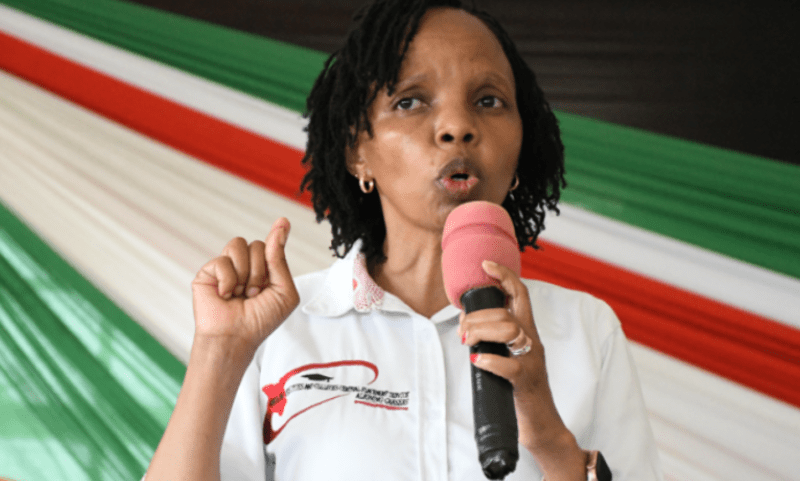
The report quotes CoB Margaret Nyakang’o, who said a loophole in the law “prevents any independent oversight” of the Housing Levy, “severely undermining” her mandate.
To enhance accountability, the committee recommends amending the Public Finance Management Act to place all special funds and levies under the CoB’s supervision. It also urges the National Treasury to implement an integrated payment system with the Central Bank of Kenya (CBK) to track the levy from collection to expenditure.
Earlier this year, Housing and Urban Development Principal Secretary Charles Hinga told Parliament that the government collects between Sh5 billion and Sh6 billion monthly from the levy. While the funds are invested in Treasury bills and bonds, the delivery of affordable housing units remains behind schedule.
MPs are also calling for amendments to the Controller of Budget Act to grant enforcement powers, remove restrictions on reporting economic developments and introduce sanctions for violations of public finance regulations.
President William Ruto, through the Affordable Housing Programme, pledged to construct at least 200,000 housing units annually for low and middle-income earners. The programme, operational since March 19, 2024, is funded by a mandatory levy of 1.5 per cent of employees’ gross monthly income, matched by employers.
However, in her August 2025 budget implementation report, Nyakang’o revealed that the project remains behind schedule, citing legislative and operational constraints. She said the law bars her office from reporting on economic developments, fiscal forecasts or revenue trends, while inadequate sanctions and restricted access to financial data continue to hinder oversight.
The committee’s findings also point to persistent wasteful expenditure, noting multiple unauthorised accounts that appear to deliberately bypass existing financial controls, raising further concerns over the fund’s management.
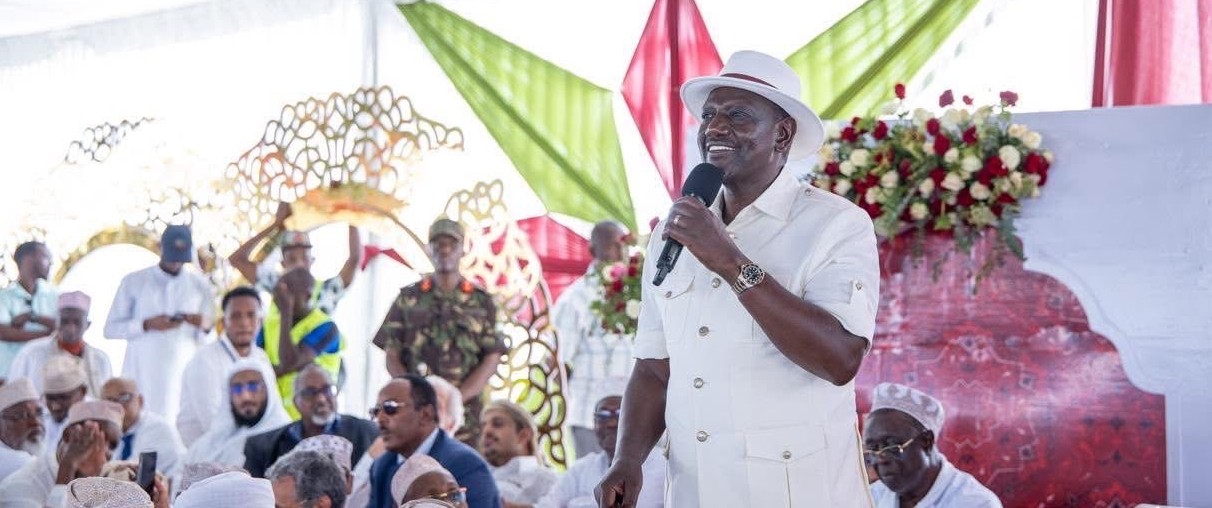
Speaking during his State of the Nation Address, President Ruto announced that the Affordable Housing Programme will generate 572,000 jobs next year, up from the current 428,000 positions.
He said his administration is delivering the largest housing rollout in Kenya’s history, with 230,000 affordable homes already completed since the project began.
The President highlighted that a wide range of professionals are benefiting from the programme, including architects, engineers, plumbers, electricians, carpenters, masons, steelworkers, transporters, and thousands of micro, small, and medium enterprises involved in fittings, fabrication and interior works.
Ruto also slammed critics who once dismissed the housing initiative as unrealistic.
“Three years ago, when we said we would deliver affordable housing, the cynics dismissed it as a fantasy. When they realised we were serious, they called it impossible. And when we broke ground across the country, they suggested the projects would stall,” he said.
Other Topics To Read
Top Stories Today